Ask ten property owners about wildlife problems and you will hear ten different stories. A raccoon nesting in a Cape Cod attic. A colony of bats behind cedar shakes. Squirrels turning a soffit into a revolving door. I have seen all of it, from mouse trails baked into blown-in insulation to groundhogs undermining porch footings. The details change, but the lesson repeats: the cheapest job is the one you only pay for once. That is why wildlife exclusion, not cycle-after-cycle of trapping or repellents, delivers the best long-term value.
Cost-effective does not mean cheapest on day one. It means lower total cost of ownership. When you add repair expenses, energy loss, business interruption, and repeat service calls, the math favors sealing and hardening a structure so animals cannot enter in the first place. If the budget allows, exclusion paired with targeted wildlife removal is the professional sweet spot. When budgets are tight, staged exclusion beats indefinite trapping almost every time.
The friction between quick fixes and durable solutions
Most calls arrive under stress. Something is scratching in the walls at 3 a.m., or droppings appear along baseboards. In that panic, it is easy to buy the fastest promise: a few traps, a bait station, a spray that claims to repel everything from mice to martens. The short-term relief often feels good. Then the next litter arrives, or another animal moves into the vacancy, and the cycle restarts.
The pattern shows up clearly in service records. A retail business I worked with in a strip center approved monthly trapping for roof rats without sealing a single gap. For 18 months, they spent a modest fee each visit. The invoice total passed the cost of full exclusion at month eight, yet rats still chewed display packaging every few weeks. Once they approved sealing the parapet penetrations, installing 0.25-inch galvanized hardware cloth over scupper openings, and proofing conduit entries with non-hardening sealant and stainless escutcheons, calls dropped to zero. Their energy use dipped slightly too, because they were no longer ventilating conditioned air through those same gaps.
Trapping and deterrents have their place. A wildlife trapper can humanely remove an individual animal that is already inside, or address a hazardous situation quickly. But traps never fix entry points. Exclusion does.
What “exclusion” actually means on a real building
Wildlife exclusion is a practical craft. It is not a single product. It is a methodical process of finding how animals move into and around a structure, then blocking those routes with materials they cannot chew, bend, or weather past. That requires an inspection mindset and an understanding of species behavior.
On a typical house, exclusion means sealing construction gaps at the roofline, screening gable vents and louvered vents with 16-gauge 0.5-inch hardware cloth, replacing rotted fascia, proofing around A/C line sets with copper mesh and high-quality sealant, fitting pest-proof weep hole covers that preserve drainage, and installing chimney caps with proper spark arrestor mesh. On masonry, tuckpointing and flashing repairs matter. On raised homes, it often includes skirting with buried L-footers to discourage digging mammals.
Commercial buildings demand heavier measures. Warehouse dock doors need brush seals that actually touch the slab. Roll-up door side gaps need rigid seals, not just flexible vinyl. Roof curbs around HVAC units, particularly on older TPO roofs, often have voids that invite birds and rats; closure strips and sheet metal work seal those. Conduit penetrations into electrical rooms need mechanical sleeves and fire-safe sealant. Dumpster corrals require hardware cloth gates or solid panels to shut out raccoons.
If you can fit a pencil into a gap, a mouse can get through. Half-dollar sized holes invite rats. A raccoon only needs about 4 inches of leverage to pry a soffit panel. Bats exploit gaps the width of a finger. Exclusion means calibrating the fix to the species, not slapping foam on every seam.
The hidden costs of not excluding
Property owners often focus on the fee for a wildlife control visit. The bigger costs hide in the walls and ceiling.
Urine and droppings soak insulation. I have seen R-38 batts flattened to a third of their depth by squirrel traffic. At current prices, removing contaminated insulation in a 1,500-square-foot attic runs into thousands, even before you pay for HEPA vacuuming, sanitation, and new insulation. Stained drywall, chewed wiring, and gnawed PEX lines add more. If water leaks through a raccoon-torn roof return during a storm, mold remediation raises the stakes.
Businesses pay in downtime. Once rodents are spotted on a restaurant line, it is not just a service call. It is health inspections, reputation damage, and the chance of product loss. I worked with a bakery that lost two night shifts because roof rats contaminated cooling racks. Their insurance deductible exceeded the cost of excluding roof penetrations and sealing the demising wall gap that ran the length of the building.
Insurance rarely covers wildlife damage unless it triggers a secondary covered event, like a fire from gnawed wiring. Even then, deductibles and premium increases sting. When you put numbers to it, the avoidance case is straightforward.
What a professional inspection should find
Quality exclusion starts with a deliberate inspection. The goal is to think like the animal. For rats and mice, that means looking for rub marks along baseboards and duct lines, checking for gnawing on door corners, and mapping travel paths to food and water sources. For raccoons and squirrels, it means looking up: soffit eaves, roof intersections, and any spot where a hand can pry.
A competent wildlife trapper or technician will carry a headlamp, camera, mirror, probe, and ladder. They will start outside, circling the building and recording any gap larger than 0.25 inch at ground level, then move up to roof edges and vents. Inside, they will pull the top layer of attic insulation in strategic spots to inspect for runs and droppings, and they will follow utility lines as they penetrate the building envelope. They will not rely on foam alone to solve rodent problems, and they will not push poisons in areas where carcasses would create odor issues or secondary hazards.
You should expect a written report or photo set that documents each vulnerability. The best reports translate directly into a scope of work with clear materials and methods, not just “seal all gaps.” Specificity matters because materials matter.
Materials that pay for themselves
Animals are persistent. If a fix can be chewed or pried, it will be. That is why material choices and installation technique are the difference between paying once and paying repeatedly.
Steel and copper mesh, installed tightly and held with a mechanical fastener or sealed inside a rigid collar, prevents gnawing. For mice and rats, 0.25-inch galvanized hardware cloth is a standard. For bats, smaller aperture screen with careful finishing avoids snag hazards and keeps the exit-by-one-way-door process humane. For raccoons, sheet metal flashing and reinforced soffit edges matter more than foam. Exterior sealants should be rated for UV exposure and movement, and any backing rod should be closed cell.
Brush door sweeps and side seals on commercial doors are worth every dollar. Cheap vinyl wipers curl up and leave gaps. A sweep that maintains ground contact, paired with a threshold, blocks rodents and saves heat. When we tracked callbacks on a portfolio of retail stores, door sealing cut rodent sightings by more than half before we sealed a single wall penetration.
Chimney caps, vent covers, and proper screens on attic louvers are another high-return move. Off-the-shelf products exist, but they must be sized correctly and installed to a flat plane. A crooked screen leaves a corner gap, which is an invitation. In coastal areas, stainless fasteners prevent rust and reduce maintenance.
Exclusion versus extermination
The word exterminator still floats around because many pest control companies built https://sites.google.com/view/aaacwildliferemovalofdallas/wildlife-control-near-me-dallas their businesses on pesticides. Wildlife exterminator is a misnomer for modern work, particularly for protected species like bats and migratory birds. Even for unprotected rodents, indiscriminate poisoning creates secondary risks to pets and non-target species, leaves carcasses in inaccessible cavities, and does nothing to prevent new animals from entering later.
Ethical wildlife control puts removal and one-way doors ahead of lethal methods whenever possible, and then pairs removal with exclusion. The combined approach respects regulations, avoids odor disasters from dead animals in walls, and drives long-term results. I have found traps and one-way doors particularly effective for squirrels and raccoons when paired with immediate sealing of all but the primary exit. Once activity ceases, the final hole is sealed with metal and structural repair.
There are situations where lethal control is warranted, especially for established commensal rodents inside food production. Even then, mapping and sealing the building envelope dramatically reduces the amount of bait or trapping needed, which reduces risk and cost.
The business case in numbers
Let’s make the math plain. A single-family home with attic squirrel activity in a typical market might receive quotes like this:
- One-time trapping only with no sealing: 400 to 800 dollars for a week of trap checks, plus 100 to 200 dollars per additional week if animals persist. Full exclusion and repair with targeted removal: 1,800 to 3,500 dollars, depending on roof complexity and materials, plus a reinspection.
That first option looks cheaper. But without sealing, you might pay the initial 600, then another 600 six months later when a new squirrel chews in, then 600 again after a storm loosens a soffit panel. Meanwhile, insulation contamination worsens. Within two years, you could spend 1,800 to 2,400 dollars on trapping alone and still face a 2,500 to 4,000 dollar insulation remediation.
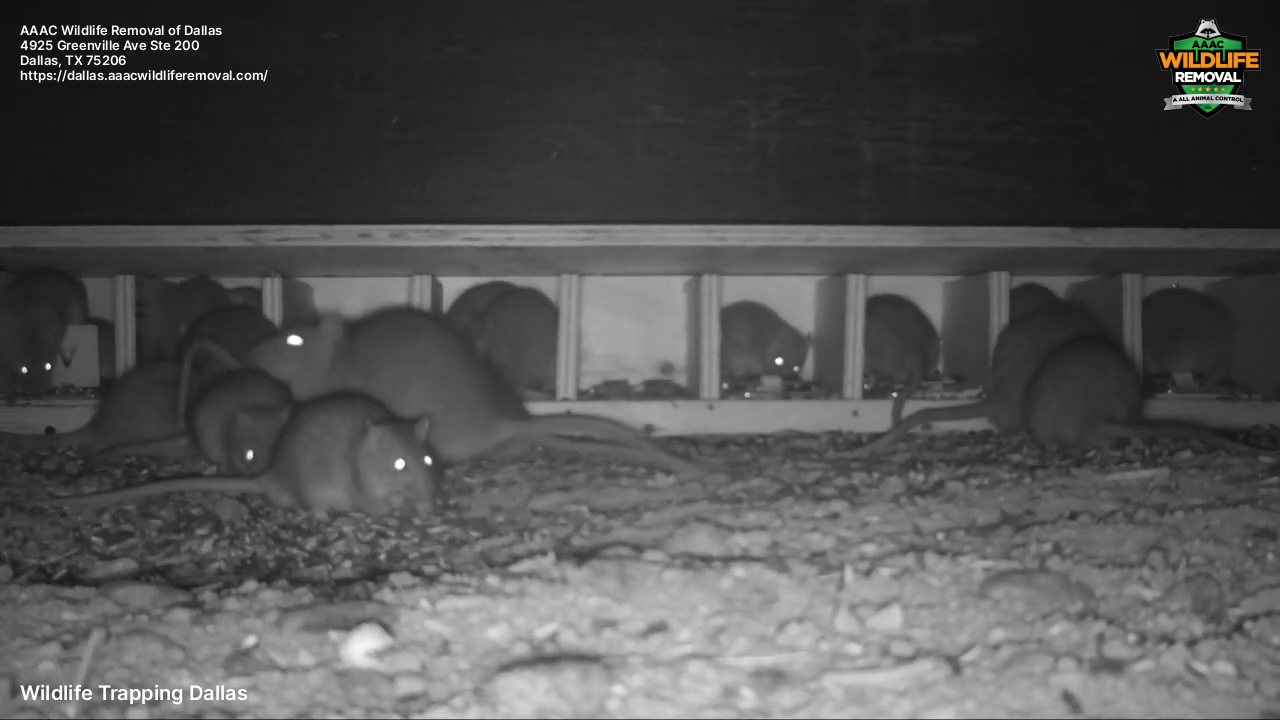
Commercial numbers scale faster. A small restaurant might spend 300 to 700 dollars per month on rodent service visits. Over 12 months, that is 3,600 to 8,400 dollars. Comprehensive exclusion for a strip unit, including dock door sealing, roof penetration proofing, and wall gap sealing, often ranges from 4,000 to 12,000 dollars. If that reduces service visits to quarterly monitoring, you lower operating expenses and cut risk of a shutdown.
These ranges vary by region and building complexity, but the direction is consistent. One-and-done exclusion with maintenance beats indefinite service plans chasing symptoms.
Where exclusion fits in a staged plan
Real budgets and construction schedules often force staging. You do not have to choose perfect or nothing. You just need to sequence work to reduce the highest risks first. In practice, I recommend starting with three actions:
- Remove or temporarily evict the animals currently inside, using traps or one-way doors appropriate to the species and local regulations. Seal all primary entry points and the top 10 to 20 secondary vulnerabilities with durable materials, leaving a monitored exit if needed. Clean and sanitize high-risk contamination zones, at least enough to reduce attractants, then schedule full remediation once exclusion holds.
The reason for a monitored exit is simple. If you seal everything at once with animals inside, they tear their own exit, and you lose control over where. A one-way door with cameras or traps provides certainty, then the final hole is closed.
Next phases can address lower-priority gaps, door seals, and landscaping adjustments that affect pressure, like trimming branches away from rooflines or moving dumpsters farther from doorways. The point is to keep momentum and reduce re-entry options steadily.
Where DIY helps, and where it does not
Plenty of homeowners can handle basic exclusion tasks with patience and the right materials. Sealing small gaps around utility entries with copper mesh and sealant, installing a proper door sweep, screening a bathroom vent hood with a purpose-built cover, and trimming branches away from the roof are within reach. So is replacing a deteriorated crawlspace door with a frame that actually closes tight. If you go this route, skip expandable foam as a primary solution for rodents. They chew it like dessert.
Complex roof work, bat exclusions, and anything touching gas appliances or electrical service belong to professionals. Bats in particular require timing so you do not trap pups inside. Many states have restricted seasons for bat exclusion because of maternity periods and migration patterns. Chimney caps and steep roof vent screens invite falls when installed improperly. And commercial buildings with fire-rated penetrations need correct sealants and sleeves to maintain their rating.
If you hire, ask for specifics. A wildlife removal company that can show you photos of their hardware cloth and sheet metal installs will generally outperform one that leads with poisons and vague promises. Ask how they guarantee their work. A one to three year warranty on exclusion is common when materials are used correctly.
Species-specific pressure and what it teaches us
Not all animals push on the same weak points. We learn a lot by watching how they behave in real buildings.
Raccoons test with their hands. They pry, feel for flex, and attack at night. Soffit corners where fascia meets roof decking are common targets because wind loosens nails over time. Reinforcing those corners with metal and replacing rot is often enough to end raccoon entries. Attic fans without rigid covers are another favorite; a raccoon will peel a flimsy dome like an orange.
Squirrels chew. They attack edges of cedar shingles, lead flashing, and plastic ridge vents. A line of tooth marks along a frieze board is a giveaway. Replacing chewable materials with metal-edge protection and screening vulnerable vents stops the cycle. Trimming a leapable branch zone around the roof matters less than people think unless you can open a 6 to 10 foot gap; in dense neighborhoods, squirrels will always have a pathway.
Bats follow airflow. They use thermal currents to locate exits and hunt. If they roost behind a louver or inside a fascia gap, sealing the visible opening without venting the attic properly can push them deeper into the structure. A correct bat exclusion includes one-way doors, careful sealing of all linear gaps, and attention to attic ventilation so you keep pressure balanced. Timing is everything; maternity season exclusions should avoid trapping non-volant young.
Rodents follow edges. A mouse will run along the base of a wall rather than cross open floor, leaving dark rub smears. They prefer predictable cover, so clutter and poorly sealed shelving create permanent habitat. Sealing weep holes with pest-proof covers that still allow drainage prevents direct entry into wall cavities. On slabs with elevated floors, the gap at the bottom of floor-to-wall trim is often just enough room to hide travel paths. Caulking those lines reduces harborage and makes monitoring easier.
Birds need ledges. Commercial signs, parapets, and architectural details that create a 3 to 6 inch landing zone attract pigeons. Deterrents help, but the sure fix is removing the ledge or closing it with screened returns that preserve the look while eliminating space to nest.
Each species has a playbook. Exclusion translates those plays into defense, one weak spot at a time.
Why warranties matter, and what they do not cover
Good wildlife control companies stand behind their exclusion work because quality materials and methods hold up. A raccoon proofing warranty might cover any re-entry through a sealed spot for a year or two. A rodent warranty may promise to return at no charge if gnawing breaks a seal in a defined area.
Read the terms. Warranties usually exclude new openings in previously unsealed areas, storm or tree damage, and construction changes by other contractors. They also rarely cover interior contamination remediation. That is fair, as long as the contract defines the sealed zones clearly and includes photos. If your wildlife control provider cannot show where they sealed and what they used, that is your cue to slow down and get details in writing.
Energy savings and comfort, an often missed bonus
Gaps that admit animals also leak air. The same 0.5-inch slot that lets a bat reach a gable cavity lets conditioned air bleed out, and outside air bleed in. I have measured noticeable pressure improvement after sealing attic penetrations, with HVAC runtimes dropping by a few percent. On older buildings with balloon framing, sealing at the sill and top plate not only reduces rodent travel but also warms rooms that once felt drafty. The payback shows up quietly on utility bills.
In commercial kitchens, sealed wall and floor penetrations make cleaning easier and reduce grease-laden dust accumulation, which improves fire safety. Door seals improve temperature control in the dining room and cut insect infiltration, a side benefit that staff notice quickly.
When exclusion is not enough by itself
There are edge cases. A crumbling fieldstone foundation with countless voids may require structural work beyond the scope of wildlife control. A derelict outbuilding that cannot be made tight is better demolished than sealed. On agricultural properties, the pressure from surrounding habitat may exceed what a single structure fix can handle, and integrated habitat management becomes part of the plan.
There are also legal and ethical constraints. Some species are protected, and their roosts or nests cannot be disturbed without permits or outside of specific windows. A wildlife control professional should know those rules cold and will design an exclusion plan that stays compliant. If someone proposes sealing a bat colony in midsummer, stop and get a second opinion.
Choosing the right partner
Credentials do not guarantee quality, but they set a baseline. Look for membership in recognized associations, training in exclusion methods, and insurance that covers ladder and roof work. Ask to see before-and-after photos from comparable jobs. If the company calls itself a wildlife exterminator yet leads with poison-only tactics, be cautious. A true wildlife control provider will talk about inspection, species behavior, building science, and materials.
Pricing transparency matters too. A lump sum with no breakdown can hide corner cutting. A detailed scope with line items for door seals, vent screens, chimney caps, fascia repair, and so on helps you compare bids. The cheapest bid that omits half the needed work is the most expensive once callbacks start.
The homeowner’s role after exclusion
Once the structure is tightened, your habits either support the investment or undermine it. Keep lids on outdoor cans and secure pet food. Store bird seed in metal containers. Fix dripping spigots, because water is a magnet. Maintain door sweeps, because a broken sweep looks like an open gate to a mouse. Trim vegetation off the building skin to reduce ant and rodent highways. Put inspection of the exterior envelope on your seasonal checklist.
You should also schedule a quick reinspection after severe weather. Windstorms open up seams that wildlife will find within days. Early touch-ups, especially on roof edges and soffits, are inexpensive compared to a full re-entry event.
Why this approach endures across property types
I have worked on 1920s bungalows and tilt-up warehouses, school campuses and lake cabins. The architecture differs, but exclusion principles travel well. Air and animals move through the same physics. Pressure wants to equalize. Water finds the path of least resistance. Animals seek shelter, food, and a safe way in and out. When you close those paths with the right material at the right spot, you influence behavior more effectively than any repellent or bait.
The repeat savings are not only dollars. They are quieter nights, cleaner air, less disruption, and fewer emergency calls. They are a sturdier building envelope that pays you back through lower energy use and fewer maintenance surprises.
When you view wildlife problems as a construction and behavior challenge, the path forward becomes clear. Use wildlife removal when it is needed, guided by an experienced wildlife trapper who respects both animals and structures. Invest in wildlife exclusion with materials and techniques that outlast teeth and weather. Treat the building skin like the asset it is. Pay once, and then get back to living or running your business without sharing it with the night shift.